How Net Metering Works with On-Grid Solar Inverters
How Net Metering Works with On-Grid Solar Inverters
See how net metering works with on-grid solar inverters, from grid export and bi-directional billing to on-grid inverter price factors.
For many homeowners and businesses, an on-grid solar system is one of the most direct ways to turn unused rooftop space into lower electricity bills. However, the value of an on-grid system is not limited to the power you use while the sun is shining. With net metering, surplus electricity can be sent to the grid and adjusted against the electricity you draw later.
This is the core idea behind an on-grid solar setup: use solar power first, export excess generation when available, and use grid electricity when solar output is lower than your demand. In this guide, we explain how net metering works, why an on-grid inverter is central to the process, and what homeowners should consider before comparing a solar inverter price or on grid inverter price.
You can explore Solaire's on-grid inverter range for system options across residential, commercial, and larger applications.
The simple idea behind net metering
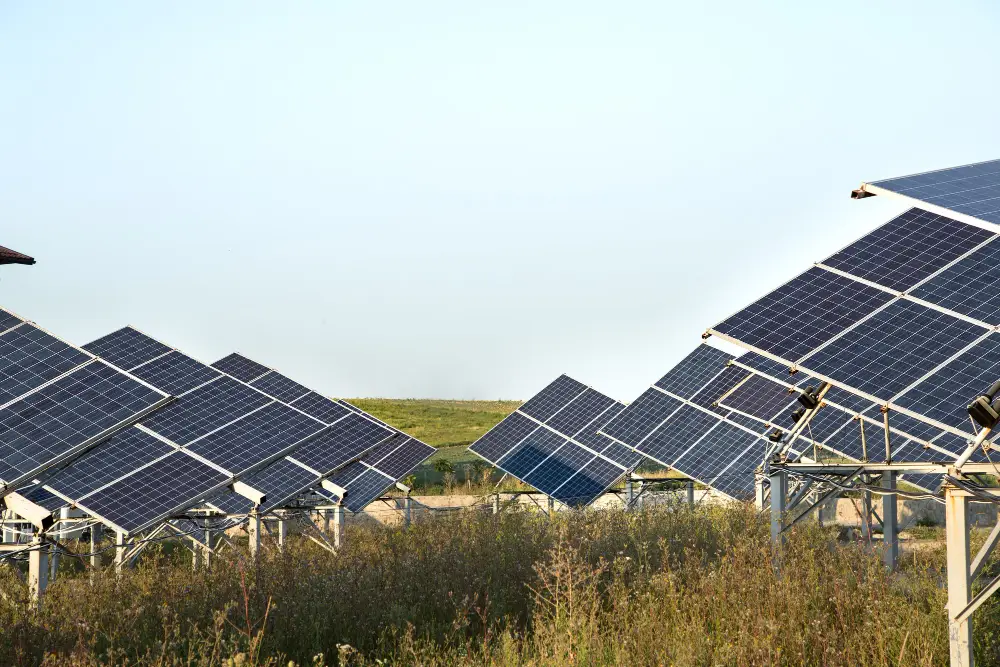
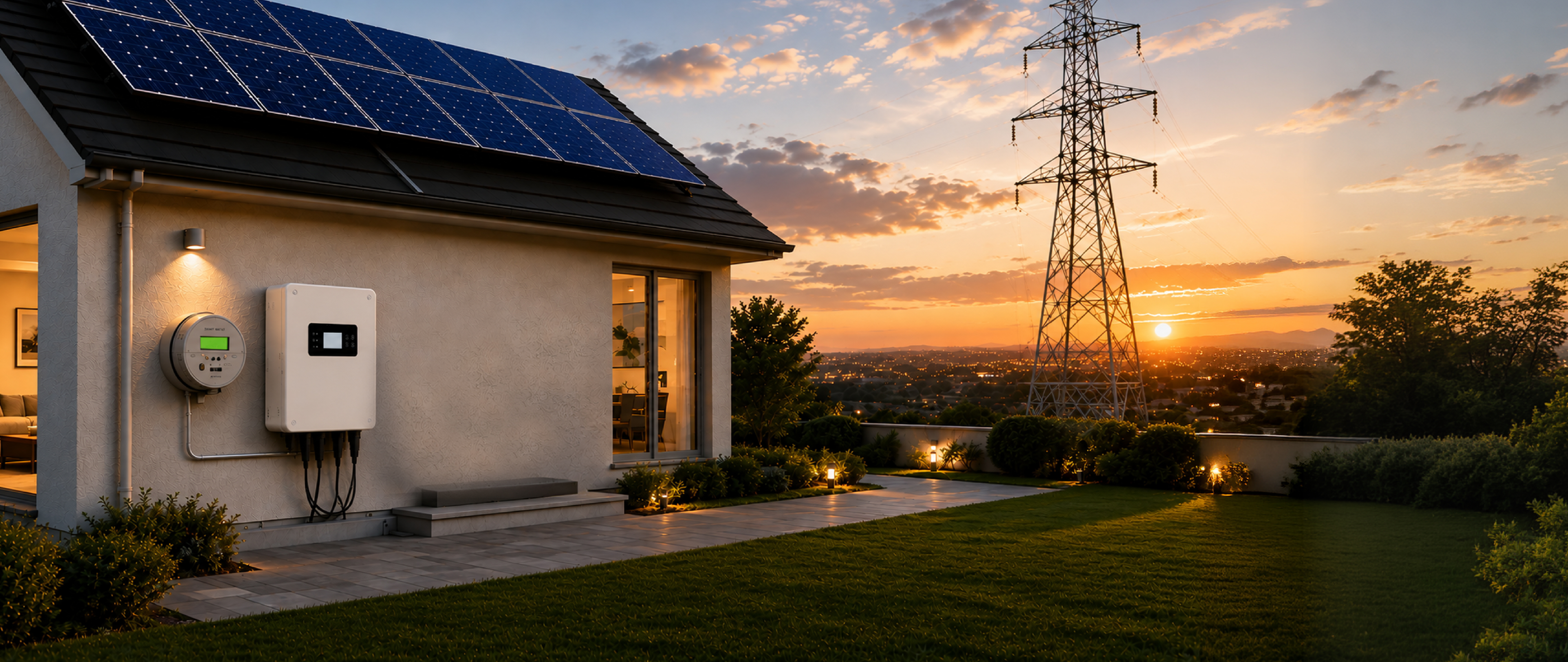
Net metering is a billing arrangement for grid-connected solar systems. During the day, your rooftop solar system supplies electricity to your home or business first. If your solar generation is greater than your immediate consumption, the extra electricity flows to the local distribution grid. This is called grid export.
At night, during cloudy periods, or whenever your consumption is higher than solar production, your property draws electricity from the grid. A bi-directional meter records both directions of energy flow:
- Import: Electricity taken from the grid
- Export: Surplus solar electricity sent to the grid
At the end of the billing cycle, the distribution company adjusts exported units against imported units under the applicable state and DISCOM rules. The bill is based on the net balance, rather than treating all solar generation and all grid consumption as completely separate. This is how net metering can support meaningful electricity savings.
The role of the on-grid inverter
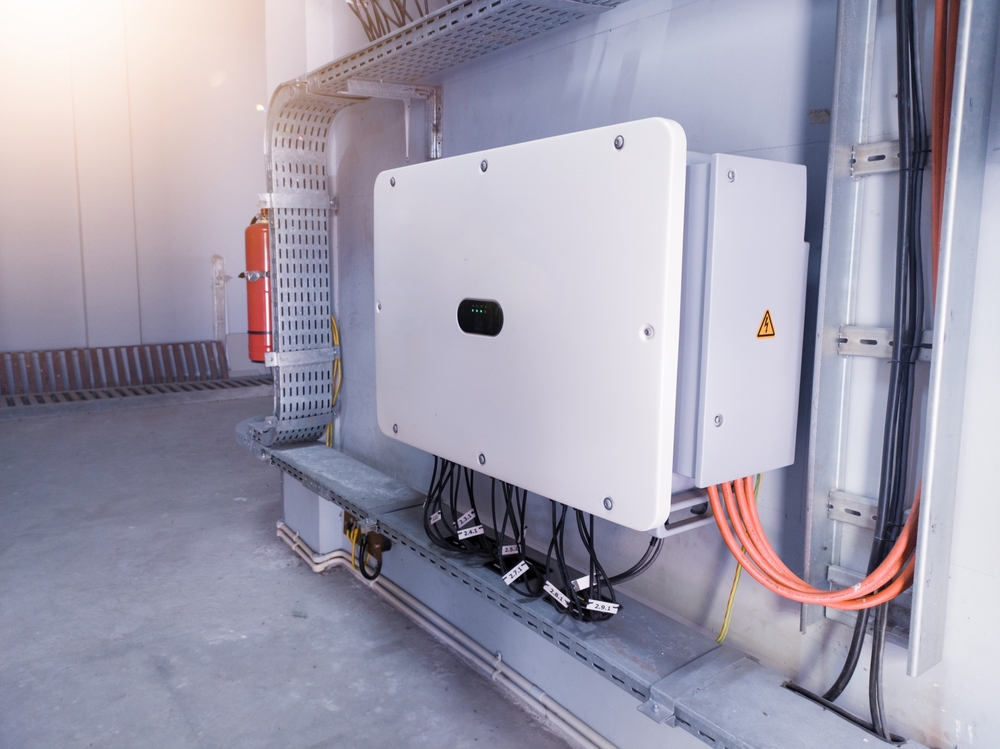
An on-grid inverter is the bridge between your solar panels, your property's electrical system, and the utility grid. It converts the DC power produced by solar panels into AC power that appliances, buildings, and the grid can use.
When solar production is available, the inverter helps the property consume solar electricity first. When the system produces more than the property is using, the inverter enables that excess energy to flow out as grid export, subject to system design and utility approval.
Solaire's on-grid inverters are available from 1 kW to 150 kW in single-phase and three-phase options, covering homes, businesses, and larger installations. An on-grid system does not require batteries: solar power is used immediately, excess power is sent to the grid through net metering, and grid electricity is drawn when solar is unavailable.
A simple example
Let's say a home imports 500 units of electricity from the grid in a month. During sunny hours, its solar system produces more than the home needs and exports 300 units to the grid.
In a basic net-metering calculation, the exported 300 units are adjusted against the 500 imported units. The home would then be billed for the remaining net import of 200 units, subject to the applicable tariff structure, charges, and state regulations.
That is why electricity savings depend on both solar generation and consumption. A household that uses more of its solar power directly during the day may reduce its grid draw immediately. A household that produces more than it consumes during the afternoon can still benefit when that surplus is recorded as grid export.
Why the meter must be bi-directional
A conventional electricity meter is designed mainly to measure the power a property consumes from the grid. A net meter, or bi-directional meter, measures both electricity imported from the grid and electricity exported into it.
This meter is essential for net metering because it creates a verified record of the two energy flows. Your inverter and solar panels generate the energy; the bi-directional meter records the import and export that the DISCOM uses for billing adjustment.
The meter does not mean every exported unit is treated in the same way across India. The process, capacity limits, settlement periods, eligible consumer categories, and treatment of surplus credits can differ by state and DISCOM. We therefore recommend confirming the current rules with your local DISCOM and installer before finalising a system size.
How the approval process usually works
While the exact process varies by state, net metering generally follows a clear sequence:
- System planning: Assessing the sanctioned load, roof space, expected consumption, and suitable inverter capacity.
- Application: The consumer or authorised installer submits the required application and technical documents through the relevant DISCOM or rooftop-solar portal.
- Feasibility approval: The DISCOM reviews whether the proposed connection and local network can accommodate the project.
- Installation: The solar system, including the on-grid inverter and safety equipment, is installed according to applicable standards.
- Inspection and meter replacement: The system is inspected, and a bi-directional meter is installed or activated after approval.
- Commissioning: Once the agreement and approvals are complete, the system can begin exporting surplus power.
The most important takeaway is to avoid installing an oversized system based only on roof area. The project should be sized around actual consumption, sanctioned load, local rules, and the expected value of grid export.
How net metering creates electricity savings
The first source of electricity savings is direct self-consumption. When the panels produce electricity and your home uses it immediately, you reduce the number of units purchased from the grid.
The second source is the billing adjustment for surplus grid export. If your system produces more than you are consuming at a particular time, that energy may be credited or adjusted in accordance with the applicable net-metering rules.
This is why an on-grid system works best when it is designed around your day-to-day load pattern. Homes with daytime appliance use, offices, clinics, shops, and businesses that operate during sunlight hours may benefit significantly from direct solar self-consumption. A system can still export surplus power, but using solar power within the property first often gives the clearest benefit.
Net metering is not the same as backup
One point is especially important: a standard on-grid inverter is designed to stop exporting when the utility grid fails. This is a safety feature that protects utility workers and the local grid. It means net metering and backup are different objectives.
If your priority is bill reduction and the local grid is reasonably reliable, an on-grid system may be the right fit. If you also need essential appliances to continue operating during outages, consider evaluating a hybrid inverter and battery-based system separately.
That distinction matters when comparing a solar inverter price. The lowest equipment cost does not always represent the best system for every household. An on-grid configuration is often more economical because it does not require battery storage, while a hybrid configuration may cost more but can provide backup capability when correctly designed.
What affects solar inverter price?
A solar inverter price or on grid inverter price should never be reviewed in isolation. The cost will vary based on several factors:
- Required inverter capacity in kW
- Single-phase or three-phase connection
- Roof type, panel capacity, and DC-to-AC system design
- Monitoring, safety, and protection features
- Warranty, service coverage, and installation quality
- Local utility approval and metering requirements
The right way to compare an on-grid inverter price is to look at the complete solution: inverter quality, panel configuration, installation engineering, compliance support, and expected energy performance. A properly sized system is more valuable than one chosen only because it has a lower upfront price.
Questions to ask before you proceed
Before choosing an on-grid system, we suggest asking:
- Does my state and DISCOM currently allow net metering for my consumer category and proposed system size?
- What is my sanctioned load, and what capacity can I apply for?
- Will the property use most solar electricity during the day, or will it rely heavily on grid export?
- Is an on-grid system enough, or do we also need backup during outages?
- What does the proposed on-grid inverter price include beyond the equipment itself?
These questions help ensure that your system is designed for real consumption, not just estimated panel capacity.
Turning solar into a smarter bill strategy
Net metering makes on-grid solar more useful because it allows surplus daytime generation to be accounted for when your property needs grid electricity later. It supports stronger electricity savings, encourages productive use of rooftop space, and gives households and businesses a practical route to use solar without adding batteries where backup is not required.
The right system starts with accurate sizing, compliant installation, and a clear understanding of local rules. With the right on-grid inverter and a properly approved bi-directional meter, grid export becomes part of a smarter energy strategy rather than wasted solar generation.
To explore on-grid solar options for your home or business, visit Solaire's solar power solutions.
Net metering generally records grid imports and solar exports through a bi-directional meter, but eligibility, capacity limits, and settlement mechanics can vary by state and DISCOM.