How to Monitor Solar Inverter Performance Remotely
How to Monitor Solar Inverter Performance Remotely
A solar system that isn't being monitored is a solar system where problems go unnoticed until the electricity bill or generation report tells a story weeks too late. Remote monitoring has moved from a premium add-on to a baseline expectation for homeowners, businesses, and plant operators alike, because the earlier a dip in performance is spotted, the cheaper and easier it is to fix.
What Remote Monitoring Actually Tracks
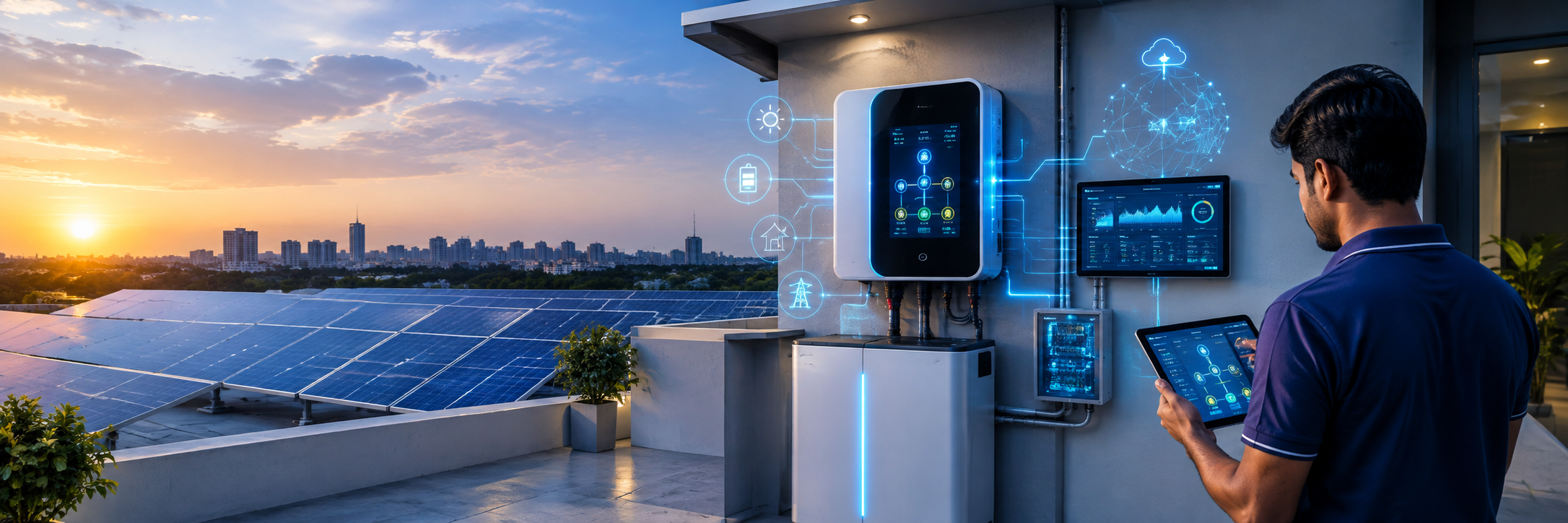
A modern monitoring setup connects the inverter, and often the broader system, to a cloud platform accessible through a solar app or web dashboard. At a basic level, this means visibility into real-time power output, daily and historical energy generation, inverter status, and fault codes. More capable platforms go further, pulling in weather and irradiance data, per-string or per-MPPT channel performance, and, critically for hybrid systems, energy storage systems data such as battery state of charge, charge and discharge cycles, and battery health.
The core data points worth tracking through any serious performance tracking setup include:
- Real-time and cumulative energy generation (kWh)
- Inverter operating status, temperature, and fault/warning codes
- Voltage, current, and frequency readings at the point of connection
- Performance ratio, actual output compared with expected output for given weather conditions
- Battery state of charge, charge/discharge behaviour, and health metrics for hybrid systems
- Grid import/export data and downtime attributable to grid or curtailment events
Why Remote Monitoring Matters More Than It Seems
The value of monitoring isn't just convenience, it's financial. Systems with active monitoring catch underperformance early, whether it's caused by a loose connector, a failed string, shading, dust accumulation, or a genuine inverter fault. Without monitoring, this kind of issue can persist for weeks or months with the owner none the wiser, quietly draining the return on the solar investment.
Modern platforms increasingly use automated alerting and anomaly detection rather than requiring someone to check a dashboard manually. Thresholds can be set for voltage range, temperature limits, minimum expected efficiency, or yield, and when actual readings breach them, an alert fires through SMS, email, or app push notification. This shift from passive dashboards to active alerts is what separates a modern monitoring setup from the old model of occasionally glancing at a static report.
Fleet and Multi-Site Monitoring for Larger Operators
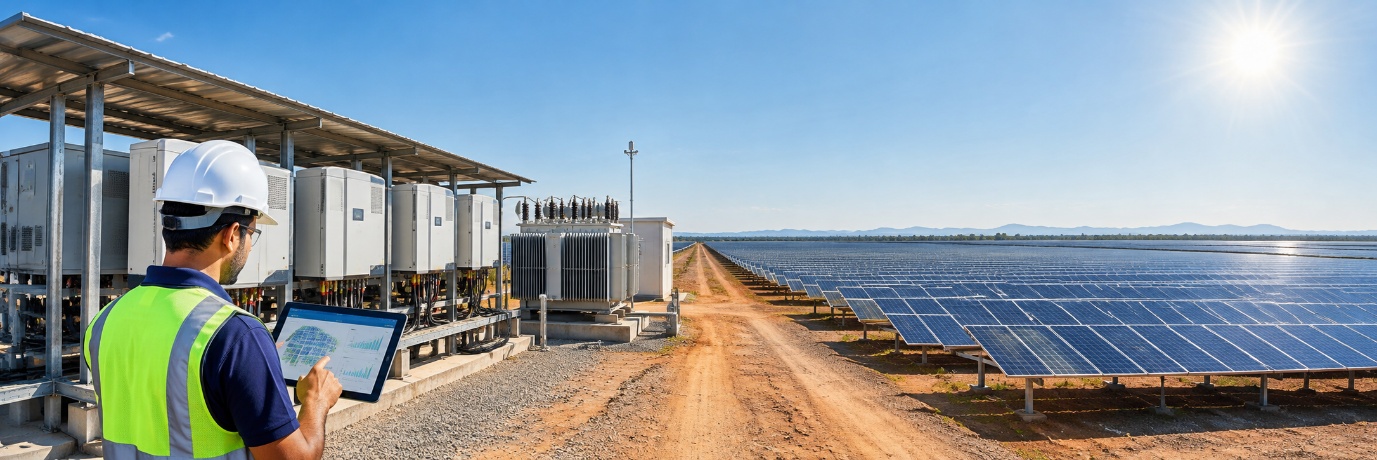
For solar developers, EPC companies, or commercial operators managing multiple sites, remote monitoring scales into centralized fleet management. A single dashboard can show every connected inverter across every site, flagging the best- and worst-performing assets, generating automated daily reports, and supporting data exchange with third-party systems via FTP, OPC, or API connections. This kind of visibility turns what would otherwise require physical site visits into something manageable from a single screen, which matters enormously for operational cost control across a growing portfolio.
Choosing the Right Monitoring Platform
Not every solar app offers the same depth. When evaluating a monitoring platform, it's worth checking for:
- Compatibility with the specific inverter brand and communication protocol (Modbus, API, or proprietary)
- Data refresh frequency, some platforms update every few seconds, others only every few minutes, which matters for fast fault detection
- Mobile app availability alongside a full web portal for deeper analysis
- Integration with battery storage data, not just solar generation, for hybrid and backup-capable systems
- Historical data export options (CSV or API access) for custom reporting or BI tool integration
- Multi-site and white-label capability if monitoring is being offered to end customers by an installer or EPC
A Practical Example
Consider a commercial rooftop system where a single string underperforms due to a loose MPPT connection. Without remote monitoring, this fault might only surface when a monthly bill comes in higher than expected, by which point weeks of lost generation are unrecoverable. With real-time performance tracking and string-level comparison, the same fault typically triggers an alert within hours, allowing a technician to be dispatched before the loss compounds.
The Practical Takeaway
Remote monitoring has evolved from a simple "how much power did I generate today" dashboard into a full operational layer that tracks generation, inverter health, battery performance, and grid interaction in real time. For homeowners, the right solar app means peace of mind and early fault detection. For commercial operators and asset owners managing solar paired with energy storage systems, it means the difference between proactive maintenance and reactive firefighting, and over the 20-plus year life of a solar asset, that difference adds up to real, measurable savings.