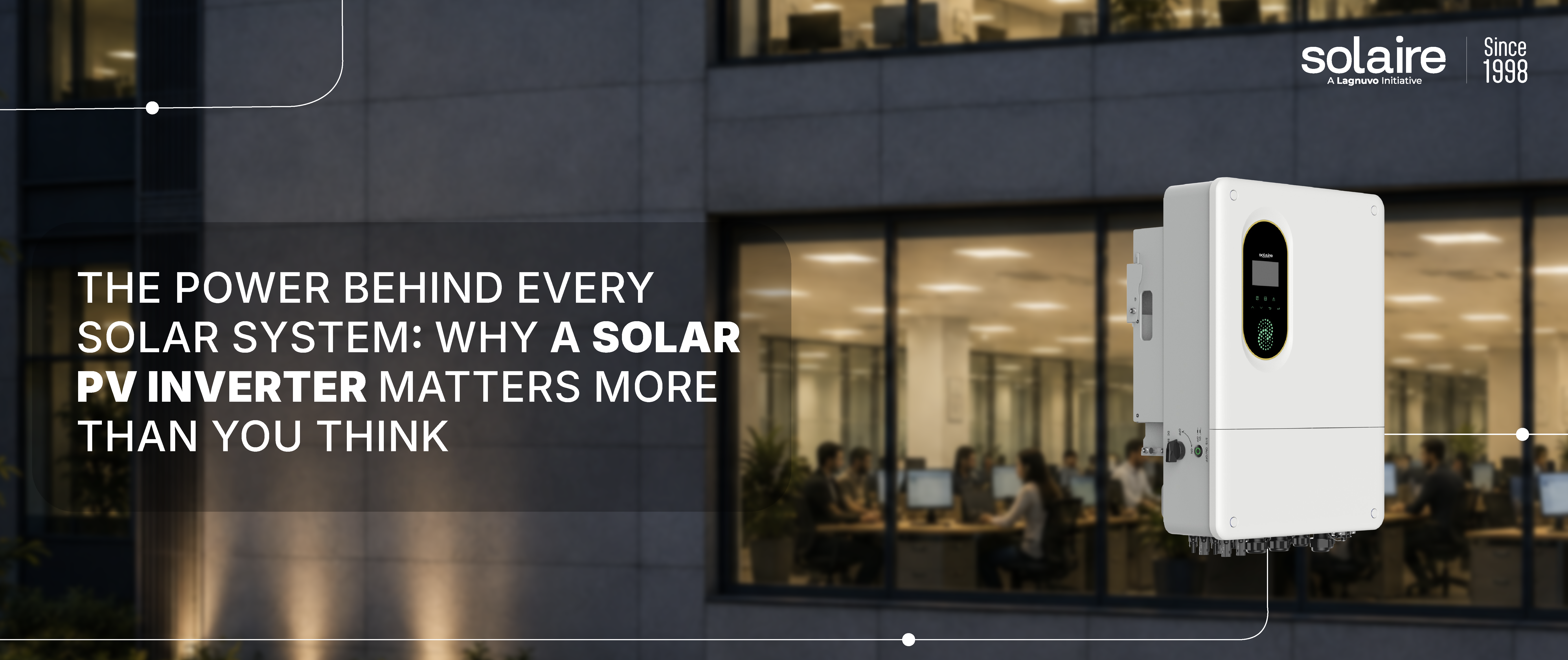
The Power Behind Every Solar System: Why a Solar PV Inverter Matters More Than You Think
When most people think about solar, they think first about panels. But the real bridge between solar generation and usable electricity is the solar pv inverter. Without it, the power generated by your panels cannot be converted into the form your home or business needs every day.
That is why a pv inverter is not just another system component. It is the control centre that helps convert, manage, and optimise the energy your solar array produces. If you are planning a solar installation, understanding the role of a solar pv inverter is essential to making a smarter investment.
You can explore Solaire's solar inverter and battery portfolio to see how modern inverter systems are designed for homes, businesses, and larger-scale projects.
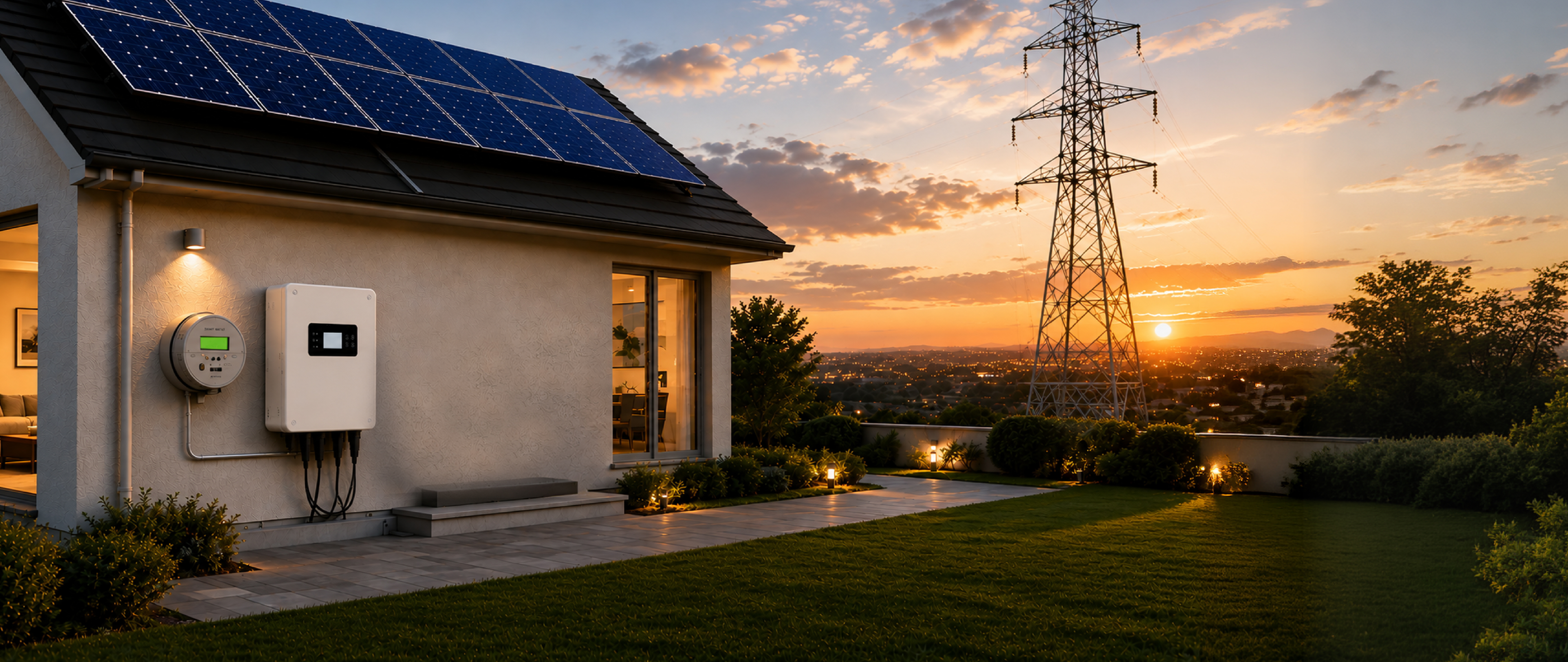
A solar pv inverter converts the direct current (DC) electricity generated by solar panels into alternating current (AC) electricity, which is what most homes, offices, and commercial facilities use. In simple terms, without the inverter, solar power cannot be used effectively by your appliances or building systems.
But a modern pv inverter does much more than conversion alone. It can support energy monitoring, system protection, grid interaction, and smarter energy flow management, depending on the type of system you choose. This is one reason the solar inverter product category has become such an important part of overall solar system design.
One of the most important performance factors in any inverter is pv inverter efficiency. This refers to how effectively the inverter converts solar energy into usable electricity with minimal losses.
If the inverter is inefficient, more of your generated power is lost during conversion. Over time, that affects total energy output, cost savings, and the value you get from your solar system. In practical terms, better pv inverter efficiency supports stronger long-term returns and more reliable everyday performance.
This is why it helps to look beyond only capacity and compare product quality, engineering, and support. Solaire's on-grid inverter range reflects this performance-led approach across residential, commercial, and larger installations.
The types of pv inverters available today are designed for different use cases, which means there is no single "best" option for every buyer.
The most common types of pv inverters include:
If you want a deeper understanding of how these technologies differ, Solaire's guide to solar panel inverters, types and functions is a useful reference point.
A solar pv inverter plays a direct role in how much value you actually get from your solar investment. A good inverter helps your panels perform more effectively, supports better system stability, and can make future expansion easier if your energy needs increase.
For homeowners, that may mean more dependable energy savings and smoother power conversion. For businesses, it can also mean better control, improved power quality, and stronger support for operational continuity. In both cases, the pv inverter should be selected as carefully as the panels themselves.
This is also one reason the solar pv inverter market continues to grow. Buyers are becoming more aware that a solar project's success depends not only on generation, but also on how intelligently that generation is converted and managed.
Many buyers begin by asking about solar pv inverter price, which is understandable. Budget matters in every project. But the smarter question is not only what the inverter costs today, it is what value it delivers over time.
A lower solar pv inverter price may seem attractive upfront, but if the product offers lower reliability, weaker efficiency, or limited support, the long-term cost can be higher. In contrast, an inverter that is engineered for stronger pv inverter efficiency and dependable performance may offer better returns across the life of the system.
That is why comparing solar pv inverter price should always include performance, warranty, compatibility, and after-sales support. In a maturing solar pv inverter market, buyers increasingly recognise that value is broader than initial purchase cost.
The solar pv inverter market is growing because solar buyers now expect more from their systems. They want smarter monitoring, better energy control, stronger compatibility with batteries, and solutions that can adapt as power needs change.
This shift is also expanding interest in the different types of pv inverters, especially among customers who want systems tailored to homes, SMEs, and large commercial applications. As solar adoption rises, the inverter is no longer seen as a background component. It is increasingly recognised as one of the most strategic parts of the system.
If you are building a solar system, you need a solar pv inverter because it makes solar energy usable, manageable, and efficient. It directly affects conversion quality, performance, safety, and the overall return on your investment.
The right pv inverter depends on your load profile, budget, backup expectations, and future plans. Whether you are comparing types of pv inverters, checking solar pv inverter price, or thinking about pv inverter efficiency, the best decision comes from looking at the system as a whole.
To evaluate the right fit for your project, you can start with Solaire's full range of solar power solutions and compare the product categories that best match your application.
The Power to Harness Greatness
Solaire — A Lagnuvo Initiative
The Power Behind Every Solar System: Why a Solar PV Inverter Matters More Than You Think
What does a solar PV inverter do?
Why inverter efficiency matters
Understanding the types of PV inverters
Why a solar PV inverter affects system value
Looking at price the right way
Why the market is evolving
Choosing the right inverter for your solar future