
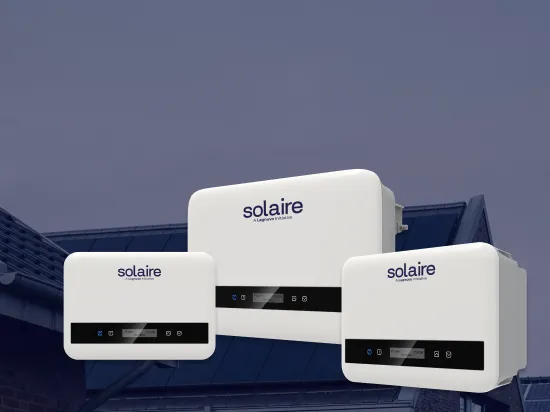
Solar Power Inverters in India: An Overview
As the world increasingly turns to sustainable energy sources, solar power has emerged as a frontrunner in the race to reduce our carbon footprint. In India and across India, the adoption of solar energy is on the rise. While solar panels often steal the spotlight, an unsung hero is working behind the scenes to make solar energy usable in our homes and businesses: the Solar Panel Inverter in India. This post explains the Best Solar Inverters In India, explaining what they do, the main types and why they matter in the solar energy ecosystem.
What is a Solar Power Inverter?
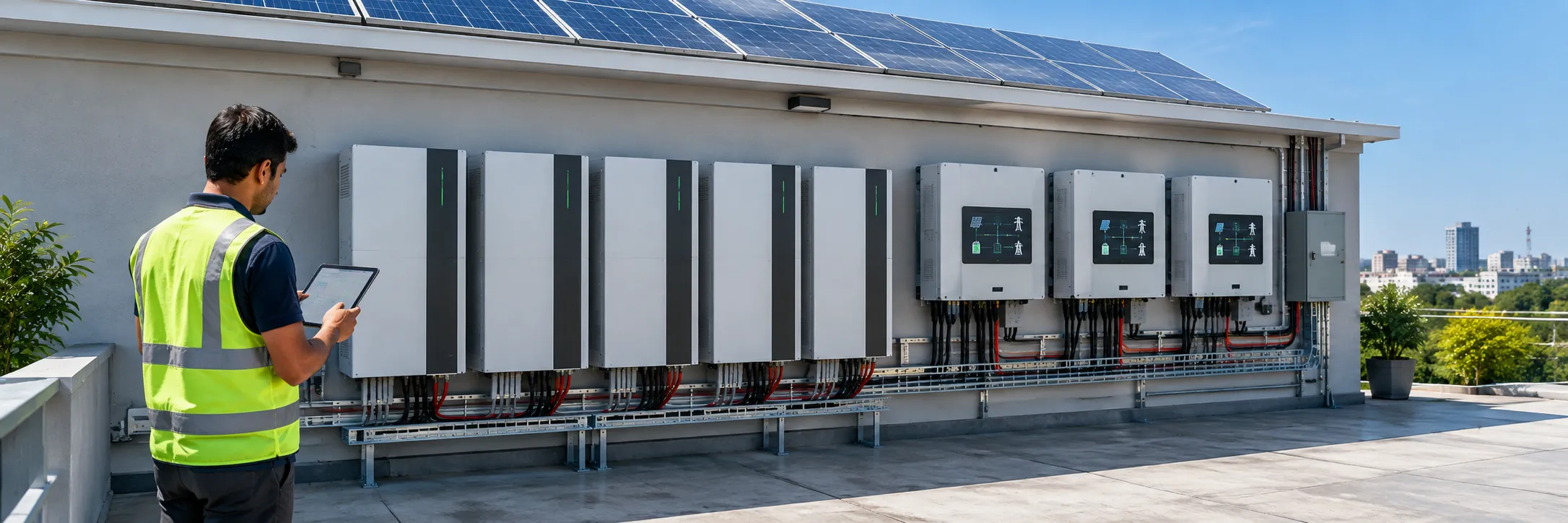
At its core, a solar power inverter is a device that converts the direct current (DC) electricity generated by Solar Panels In India into alternating current (AC) electricity that can be used to power our homes and feed into the electrical grid. This conversion is essential because most household appliances and the power grid itself operate on AC power.
What a Solar Power Inverter Does
- DC to AC Conversion:The primary function of an inverter is to transform DC power from solar panels into usable AC power. This process involves sophisticated electronics that adjust frequency and voltage to match grid requirements.
- Maximum Power Point Tracking (MPPT): Modern inverters use MPPT technology to ensure that solar panels operate at their peak efficiency, maximizing energy production under varying conditions.
- Grid Interaction:Grid-tied inverters synchronize the converted AC power with the grid's frequency and voltage, allowing grid connection and feeding excess power back to the grid.
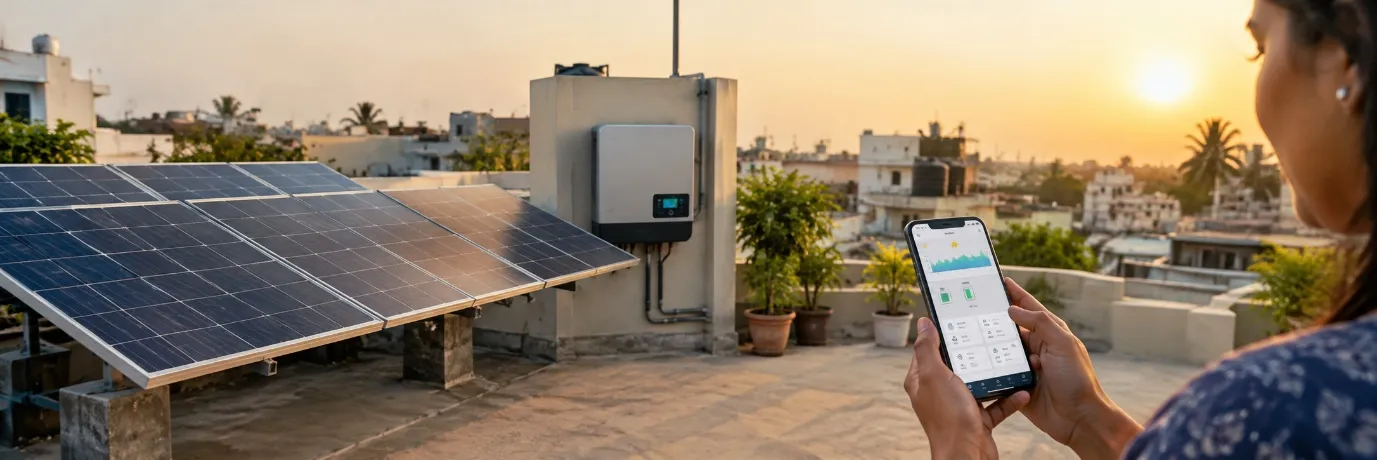
- Monitoring and Data Collection: Many inverters have monitoring systems that provide real-time data on energy production, system performance, and potential issues.
Types of Solar Inverters
-
String Inverters:
The most common type for residential installations is Connecting a string of panels to a single inverter is cost-effective but can be affected by shading issues.
-
Microinverters:
Attached to individual solar panels Optimize performance for each panel independently. More expensive but offers better performance in partial shading.
-
Power Optimizers:
A hybrid approach combining string inverters with panel-level optimization strikes a balance between performance and cost.
-
Central Inverters:
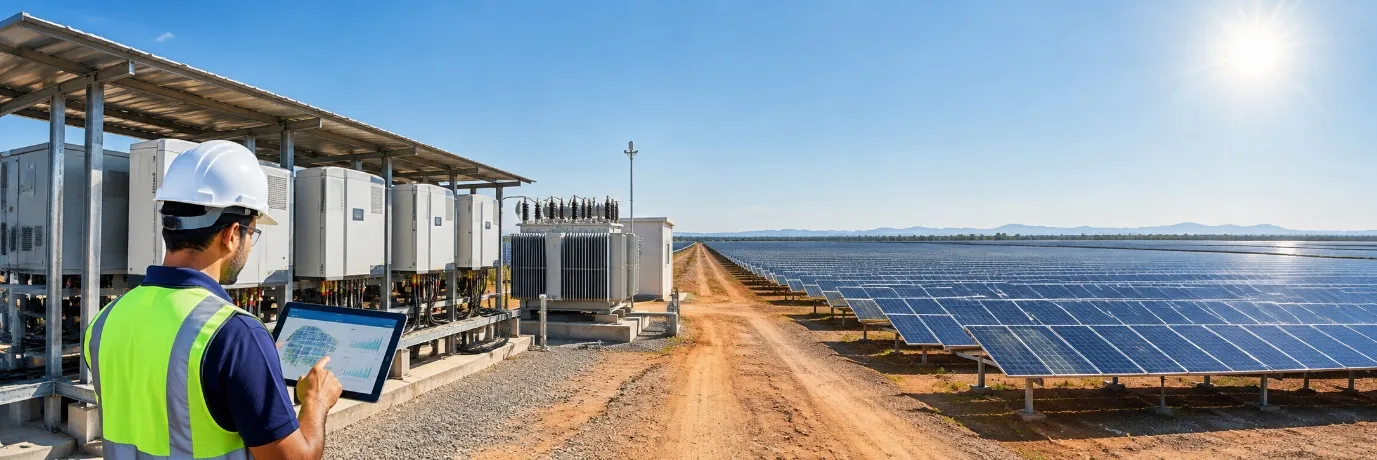
Used in large-scale solar installations in India. Handle has a high capacity but is less flexible than other options.
-
Battery-Based Inverters:
Designed for grid-tied systems with battery backup. They keep supplying power during outages.
Choosing the Right Solar Power Inverter: Key Factors to Consider
- System Size: Match the inverter capacity to your solar array size.
- Efficiency: Look for inverters with high conversion efficiency to maximize your solar energy yield.
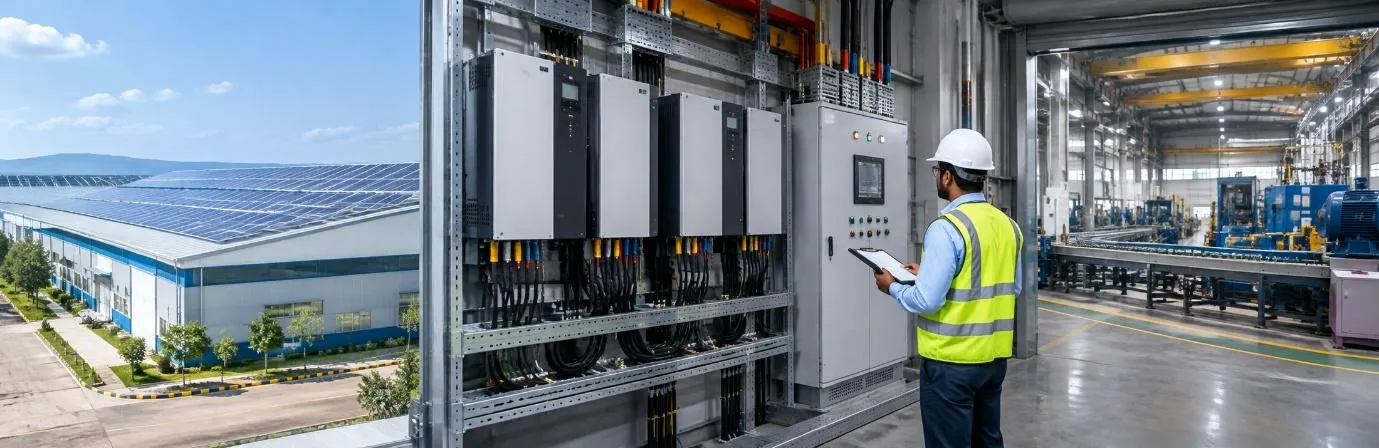
- Installation Type:Residential, commercial, or utility-scale projects have different needs.
- Grid Connection: Choose between grid-tied, o-grid, or hybrid systems
- Climate and Shading:Consider weather patterns and potential obstructions
- Budget:Balance upfront costs with long-term efficiency and performance.
Future of Solar Inverters in India: Developments to Watch
- Smart Inverters:
- These advanced devices can communicate with the grid, adjusting output to maintain grid stability and potentially earn revenue for homeowners.
- AI Integration:
- Artificial intelligence is being incorporated to predict maintenance needs and optimize performance based on weather forecasts and historical data.
- Increased Efficiency:
- Manufacturers are pushing the boundaries of conversion efficiency, with some models reaching over 99% efficiency.
- Storage Integration:
- More inverters are being designed with built-in battery storage capabilities, simplifying the integration of energy storage systems.
Maintenance and Longevity of Solar Power Inverters
While solar panels can last 25–30 years, inverters typically have a shorter lifespan of 10–15 years. Regular maintenance, including cleaning and firmware updates, can help extend their lives. When it's time for replacement, it's an opportunity to upgrade to newer, more efficient technology. Environmental Impact of Solar Power Inverter in India By enabling the widespread adoption of solar energy, inverters help reduce greenhouse gas emissions across India.
Manufacturers are also increasingly focusing on sustainable production methods and materials, further enhancing the environmental benefits of solar power systems. The Importance of Solar Power Inverters in India, Solar power inverters may not be the most glamorous component of a solar energy system, but they are undoubtedly one of the most critical.
As more of India runs on solar power, these devices will play an increasingly important role in our transition to a sustainable energy future. If you are considering solar for a home or business, understanding what the inverter does helps you compare systems and quotes. By improving efficiency, intelligence and integration, Solaire inverters help India produce more of its electricity from the sun.