
On Grid Solar Inverters Why They are a Smart Choice
Solaire is a solar inverter and storage brand from Lagnuvo, a power solutions provider since 1998. The Solaire brand launched in 2023.
As a supplier of on-grid inverters in India, we want buyers to understand how they work. In this blog, we'll discuss the key benefits of on-grid solar inverters.
What is an On-Grid Inverter?
Grid-connected solar inverters come in two main types: on-grid and hybrid inverters.
On-grid Inverters
On-grid inverters, also known as grid-tied inverters, are a critical component of solar energy systems connected to the main power grid. These inverters convert the direct current (DC) produced by solar panels into alternating current (AC), which is compatible with household appliances and the power grid.
They allow surplus energy generated by the solar system to be exported to the grid, often earning energy credits through net metering programs. On-grid inverters do not require batteries, making them cost-effective and low-maintenance. However, they depend on the grid to function and cannot provide power during grid outages.
Hybrid Inverters
Hybrid inverters combine an on-grid inverter with battery storage, offering a versatile solution for solar systems. They can work with batteries and are capable of both exporting excess energy to the grid and storing it for later use. Hybrid inverters provide energy security by supplying power during outages while also allowing grid connection for energy import or export. They are highly adaptable, supporting various system configurations and optimizing energy usage through advanced management features. While they offer greater flexibility, hybrid inverters are generally more expensive than on-grid options.
This versatility makes hybrid inverters an excellent choice for those seeking a balance between grid dependence and energy independence.
What are the key benefits of solar inverters over other inverters?
Say Goodbye to Shocking Electricity Bills.
- Switching to solar power is a great idea to reduce your electricity bills. By using solar panels you can generate electricity at your home.
- The solar panels can absorb solar energy from the sunlight and convert it into DC (Direct current) electricity. With the help of inverters, we can convert this DC into AC.
- During the daytime, solar panels can generate more electricity and help reduce dependency on the grid.
- The electricity charges are higher during peak hours. However, we can reduce the use of solar power significantly. During the peak hours, solar systems are more efficient.
- On-grid inverters in India are gaining significant popularity as a reliable solution to reduce electricity bills.
On-Grid Inverters: A Cost-Effective Solution for Solar Power
- While the initial investment for a solar power system may seem higher, the long-term savings and other benefits make it a worthwhile investment. On-grid inverters offer a cost-effective solution for utilizing solar energy.
- On-grid solar systems are more affordable than battery-based systems because they don't need batteries to store extra electricity and hence lower upfront costs can be observed.
- The cost of an on-grid inverter depends on factors like its capacity, the brand, and the technology used.
- On-Grid Inverters in India are generally cost-effective as they have a long lifespan and require minimal maintenance.
Low Maintenance
- Regular maintenance is suggested for solar inverters to ensure a long lifespan. However, maintenance for on-grid inverters is typically simple.
- While on-grid inverters do not have batteries, they require minimal maintenance, typically involving occasional cleaning and visual inspection. Whereas, battery-based systems require battery maintenance.
Helps in Grid Stability
- On-grid inverters are essential for maintaining grid stability. They regulate voltage, control frequency, and balance reactive power. This helps integrate renewable energy sources like solar and wind, improving grid efficiency and reliability.
- Additionally, inverters can provide grid ancillary services like frequency response and voltage support, ensuring a resilient and stable power system.
- On-grid inverters facilitate the integration of distributed generation (DG) sources like rooftop solar panels into the grid. This helps to reduce the load on the central power plants and improve grid resilience.
- On-grid inverters help to improve the overall efficiency and reliability of the grid. This leads to lower energy losses and reduced operational costs.
Always Environmental Friendly
- Enable renewable energy use by converting solar energy into usable electricity and thus reducing fossil fuel reliance.
- Support grid efficiency by feeding excess solar power into the grid. It lowers non-renewable energy demand.
- As no batteries are needed, it can avoid environmental issues from battery production and disposal.
- Transmission losses are less due to local energy generation, which reduces electricity loss over long distances.
- Increasing renewable energy share in the grid lowers carbon emissions.
- Encourage sustainability by offering economic incentives for adopting clean energy practices.
Easy to Monitor and Analyze
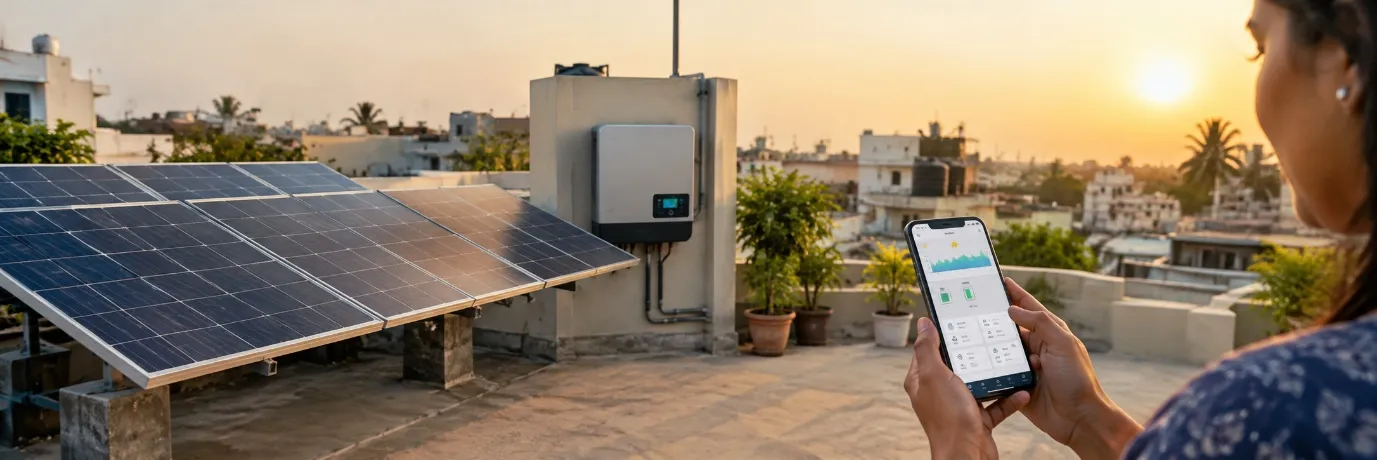
- Most on-grid inverters come with integrated monitoring features, allowing real-time tracking of energy production, usage, and export to the grid.
- With The Internet Connectivity of the On-grid inverters, they often support Wi-Fi, Ethernet, or mobile app integration, enabling remote monitoring from anywhere via smartphones or computers.
- Centralized Data Collection is possible for on-grid inverters in India. These systems are directly connected to the grid, allowing straightforward aggregation and analysis of energy data without the complexity of battery-based setups.
- Advanced Analytics Tools of the modern on-grid inverters are equipped with software to provide detailed analytics. It can provide performance metrics, efficiency trends, and fault detection.
- User-friendly interfaces of the on-grid systems feature intuitive dashboards for easy visualization of energy flows and system performance.
- Integration with Smart Energy Systems is really helpful. They often integrate with smart meters and home energy management systems, providing comprehensive energy insights.
- On-grid inverters have a Simpler System Design. Unlike battery-based systems, on-grid setups don’t involve batteries, simplifying data tracking and reducing variables in performance analysis.
Smooth Scalability of Solar Systems
- The Modular Design of On-grid systems allows for the easy addition of more solar panels or inverters without the need to reconfigure the entire system. The inverter synchronizes new components with the grid, maintaining efficiency and stability.
- Since there are no battery limitations, on-grid systems avoid storage capacity constraints, making it easier to scale energy production.
- The grid acts as a virtual "battery," accommodating excess power from expanded systems and supplying energy when demand exceeds solar production.
- Cost-effective scaling is possible with on-grid inverters. Adding capacity (e.g., more panels or a larger inverter) is cost-effective since no additional storage infrastructure is needed. Users can incrementally scale their systems based on budget and energy needs.
- On-grid systems use standardized inverters and components, making upgrades and expansions straightforward
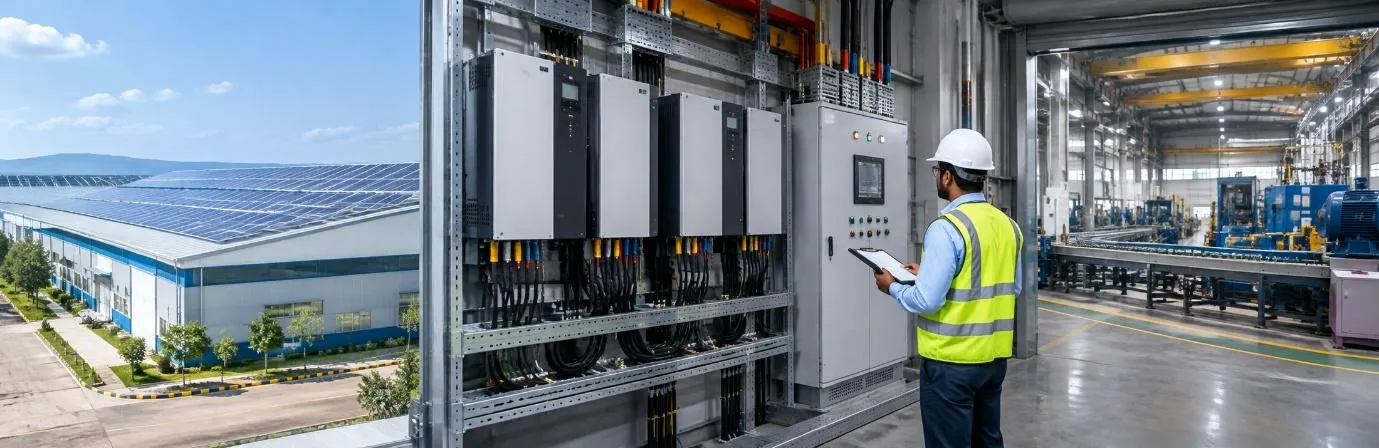
- On-grid inverters can handle large-scale solar systems, such as those used in commercial or industrial setups, ensuring compatibility with high power outputs.
- Real-Time Monitoring for Optimization helps scale the system. Built-in monitoring features help track performance as the system grows, ensuring optimal energy generation and efficient grid interaction.
- On-grid inverters are designed to meet grid standards, simplifying approvals for system expansion and integration.
Summary
Now you have a clear understanding of the benefits of on-grid inverters. A correctly sized system lowers the electricity bill from the first month. Solaire is a solar inverter and storage brand. It manufactures and assembles inverters at its Indian manufacturing and assembly facility.
Solaire is the major supplier of On-Grid Inverters In India, supporting the growing adoption of solar energy in the region. With a significant increase in solar energy consumers, on-grid inverters play an important role in this transition by enabling efficient integration of solar power with the grid, promoting sustainability and cost savings.